
Universal design focuses on creating spaces that are comfortable, functional, and accessible for people of all ages, abilities, and life stages. Instead of adapting a home later to meet changing needs, universal design incorporates thoughtful features from the start, making everyday living easier and safer for everyone. This approach has become increasingly popular in remodeling projects, especially in kitchens and bathrooms where functionality and accessibility are essential.
Two guiding philosophies—Aging in Place and Growing in Place—help shape how universal design is applied. Whether planning for long-term independence or creating flexible spaces that adapt to a family’s evolving needs, these strategies ensure a home remains both practical and inviting. Our latest blog explores how to blend function, beauty, and accessibility, creating designs that serve today’s needs while preparing for tomorrow’s.
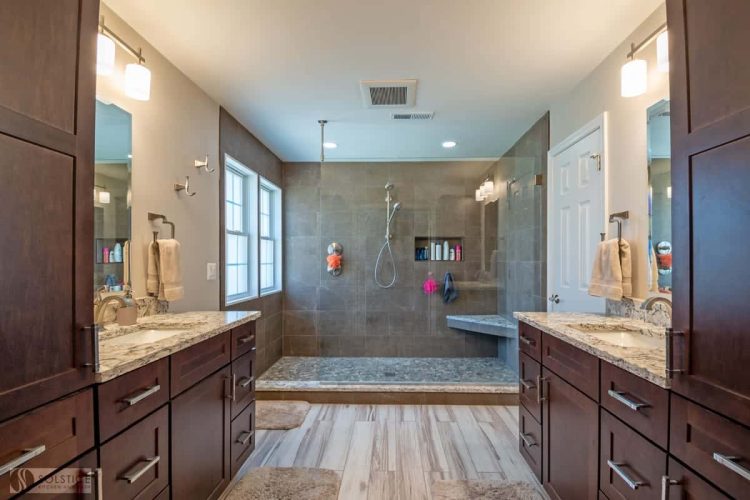
What is Universal Design?
Universal design focuses on design principles that are simple, flexible, intuitive, and accessible, creating spaces that all users can enjoy regardless of age or ability. From young kids to grandparents, visitors who require a mobility aid, and more, a universal design means everyone is safe and comfortable in your home.
Universal designs are proactive rather than reactive, meaning that you are planning for both your current and future needs. This is especially important in key spaces like kitchen designs and bathroom remodels, but can be applied throughout your home, both inside and out.
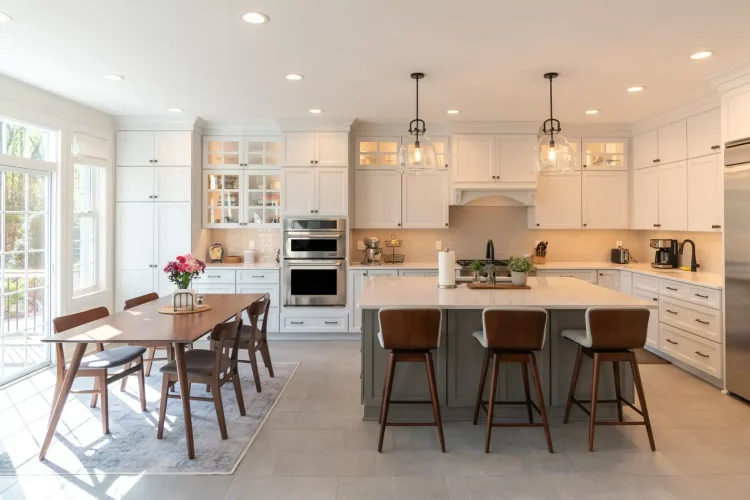
Examples in kitchen remodeling include wide walkways, accessible storage, and multi-level countertops. In bathroom designs, your remodel could incorporate curbless showers, lever handles, and non-slip flooring. From wide hallways to zero-step entries, nonslip flooring, ample lighting, and more, smart design choices throughout your home will ensure you can safely enjoy your newly remodeled home for years to come.
Aging in Place vs. Growing in Place
In a home remodel, you must first assess the needs of your household, including those who live in your home and frequent visitors, as well as your lifestyle, design aesthetic, and budget. Aging in Place is geared toward safety and independence, while Growing in Place is primarily for inclusivity and adaptability. Universal design, on the other hand, covers everyone’s needs, with simple design principles that work for all ages and abilities.
If you are sending the kids off to college and facing an empty nest, you might want to design spaces for aging in place.
Aging in Place
- This design approach is specifically geared toward enabling seniors to live safely and independently at home.
- It prioritizes accessibility, fall prevention, and ease of use.
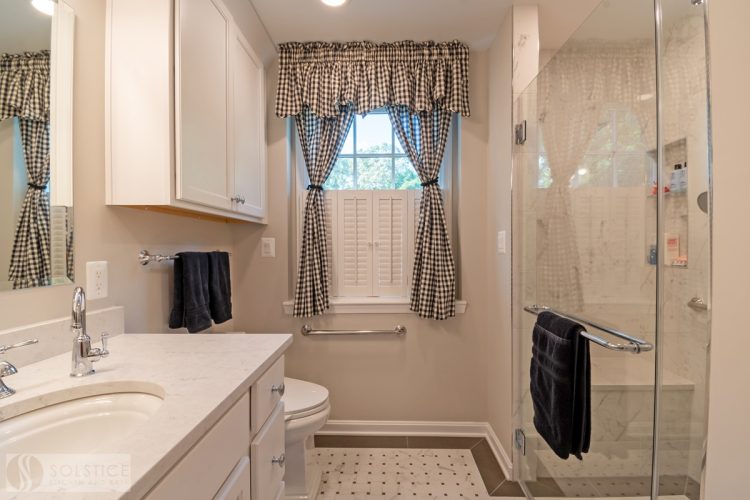
- Examples of aging in place designs include lever handles, rocker switches, grab bars, comfort height toilets, and adjustable shower heads.
Alternatively, if you are a young family, you might want to create a design geared toward growing in place.
Growing in Place
- This approach to design ensures that your home adapts to changing family needs as your family expands and your kids grow.
- It may include design features that fit the needs of children, guests, and multi-generational households.
- Examples include durable and easy-to-clean finishes, multi-height countertops, and adaptable storage solutions.
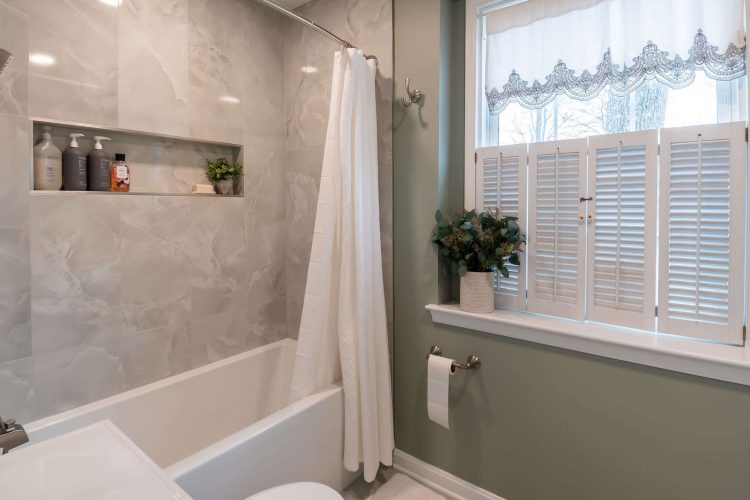
Universal Design covers both, creating spaces that fit all ages and abilities. It employs simple design principles, with features that promote accessibility while also enhancing your home’s style.
Universal Kitchen Design Tips
Kitchens are the heart of the home, where we spend much of our day gathering with family and friends, preparing meals, dining, and much more. This key space in your home requires careful planning, particularly for a kitchen design geared toward accessibility.
Layout & Accessibility
The layout is the foundation of your kitchen design, which determines your flow of traffic throughout the room, placement of key fixtures, zones for work, dining, and relaxation, and more. Get your layout right, and the rest of your design will fall into place more easily. In a kitchen designed for accessibility, the layout is even more important.
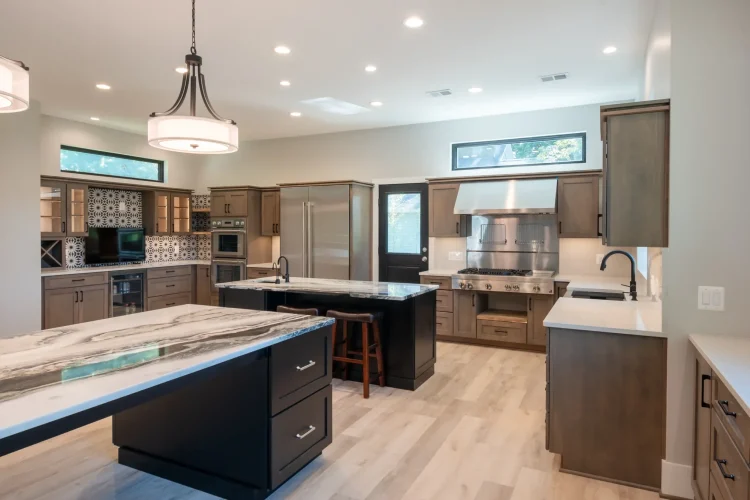
Make sure you include wide walkways that can fit mobility aids, about 36-42 inches. Create a smart work triangle to reduce strain when preparing food, and include key zones that make your kitchen efficient and easy to navigate. If you plan to cook with small children or in a multi-generational household, create safe food preparation zones where more than one person can cook side by side. Reduce trip hazards and establish safe zones for kids to access snacks or drinks away from the main cooking area.
Cabinets & Countertops
Include multi-height countertops for seated and standing users, plus account for different mobility needs, including the use of a wheelchair if necessary. Stick to rounded countertop edges that minimize bumps and bruises.
Make sure your kitchen cabinets have accessible storage that makes it easy to put groceries away and access items when you need them. Include pull-out shelves, lazy Susans, swing-out shelves, soft-close drawers, deep drawers for food and kitchen tools, and other internal storage accessories to make it simple to access all your kitchen essentials. Create safe spaces to store hazardous items like knives and cleaning supplies where small children cannot access them.
Appliances
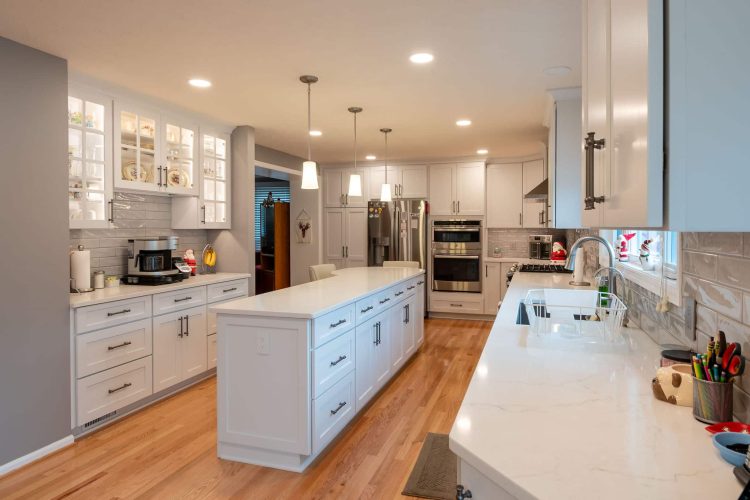
Go for appliance models that are easy to access and position them where they can be safely used by all members of the household. Side-hinged ovens at waist-height are more accessible and reduce strain on your back. Similarly, drawer dishwashers, freezers, and microwaves are positioned at the right height for easy access and come out to you, making it easier to use them. Induction cooktops are safer and easier to use as they cool down quickly once a pan is removed and have no open flame like a gas cooktop.
Lighting
Lighting designs are essential to any kitchen design, but carefully planned lighting is even more crucial when planning a kitchen that is both safe and beautiful. Create a layered lighting design that includes task, ambient, and decorative light fixtures, with lights in key locations such as over the island and under-cabinet lighting. Rocker switches are easy to use for those with weaker hand strength, while smart lighting with motion or voice-activated controls lets you illuminate spaces without searching for light switches in the dark.
Universal Bathroom Design Tips
Next to kitchens, bathroom designs are key spaces that require careful planning in a universal design. Everyone who uses the bathroom you are remodeling must be able to access it safely and use all key features without risk of accident or injury. From wide entrances to curbless showers, grab bars, and accessible storage, a bathroom design that caters to your household will make home life easier and more enjoyable.
Shower & Bathing
Depending on the bathroom you are designing and your available space, your room may include a shower, bathtub (either freestanding or a bathtub/shower combination), or both. If you have young children in your home, you most likely want to maintain one bathroom with a tub for bathing the kids.
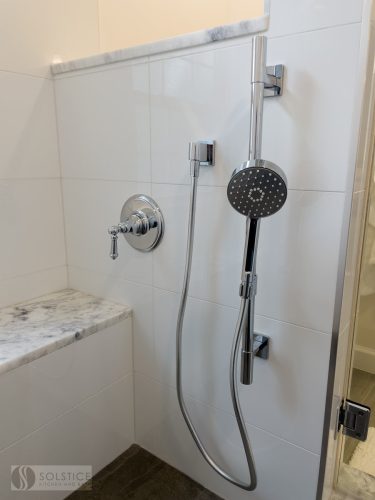
For all ages, from bigger kids up to older generations, curbless showers are the best option. Include enough space to access the shower with a mobility aid and either an open shower style or a large enough door to easily access the space. Multiple showerheads that include handheld options make it easier to assist someone with shower, while fold down or built in shower seats provide space to sit down when showering if necessary.
Safety Features
For a bathroom designed for accessibility, include features that both blend with your style and enhance your bathroom’s safety for all users. Non-slip flooring is key to a safe bathroom, particularly since this is a moisture-prone space. Underfloor heating makes your bathroom more comfortable but also helps to reduce moisture on the floor. Choose a flooring material that is textured and doesn’t become hazardous when wet.
Grab bars in key locations are a must have, and can be found in stylish materials and finishes to match the rest of your bathroom’s fixtures. Some even double as towel bars, so they blend in neatly with your design. Use technology to your advantage to create a safer bathroom experience with touchless faucets, smart shower controls, and anti-scald valves.
Vanities & Storage
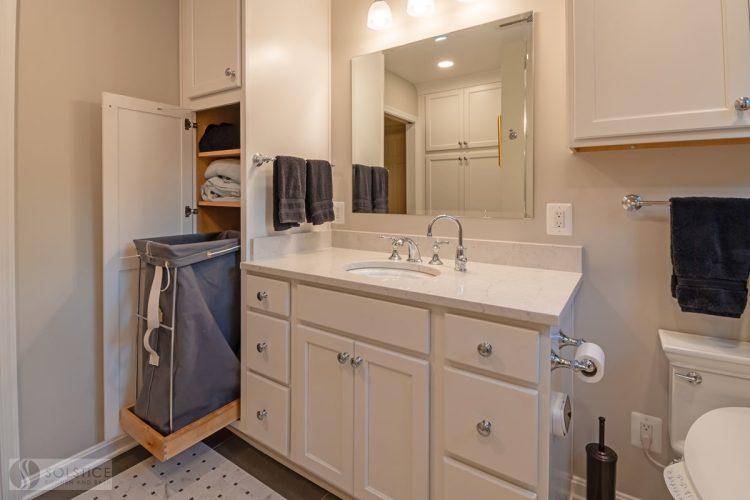
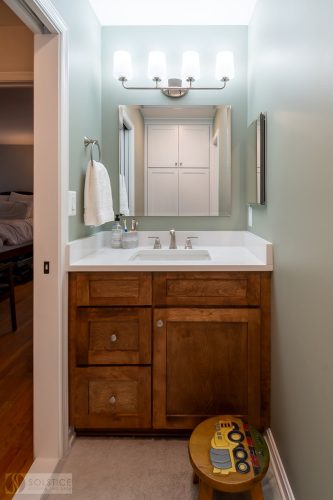
Bathroom storage is essential to your room’s style and functionality. Insufficient storage leads to cluttered surfaces that not only look messy but also create trip hazards. Storage must also be easily accessible for all users of the bathroom, making pull-out storage and easy-to-reach storage essential. Customize your vanity cabinet storage with drawers with internal dividers, pull-out storage, and storage containers to keep small items tidy. Floating vanities are ideal for creating a sleek look for your bath design and make it easier to clean and maintain your bathroom’s flooring. Include recessed storage niches in the shower and other key locations where you can easily access items that are used daily.
Toilets
Comfort-height models with plenty of surrounding clearance are the top choice for aging in place. They may not suit a bathroom designed for young children, so consider how the main users of this bath design will be. You could also go for a chair-height toilet, but include a step stool that makes it easier for young children to access the toilet.
Beyond the Kitchen and Bath: Universal Design Throughout the Home
Safety is key throughout your home, and universal design lets you include features that enhance your home’s style while also making it safer and more accessible for everyone.
Entryways with zero-step entries and wide doorways are easy to access, whether you have small children or elderly parents in your home. Use lever-style handles and smart locks that work easily, even if you have limited hand mobility. Make sure you plan for adequate lighting for safety.
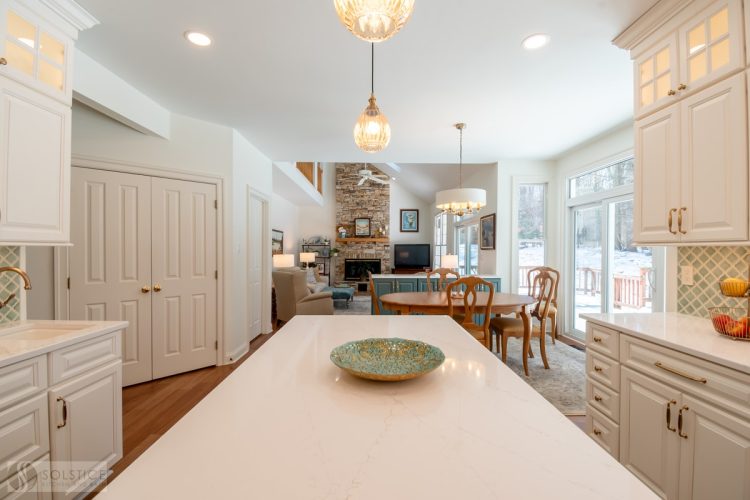
Living Rooms and Common Spaces with open floor plans and clear circulation paths make it easier for everyone to move throughout the home. They are also easier for homes with small children, where you must be able to work in the kitchen while supervising kids playing or watching television. Incorporate flexible furniture arrangements that all for mobility devices and safe, comfortable seating for everyone living in or visiting your home. Rocker switches or smart lighting controls make it easier to control lighting safely.
Stairways and Hallways must include secure handrails and be well-lit so they can be traversed safely. Consider using contrasting colors for steps and thresholds so it is easier to see where you are moving from one space to the next.
Laundry Rooms and Utility Spaces should include front-loading machines at raised heights that allow you to put laundry in without straining your back. Include pull-out work surfaces and easy-reach storage, plus secure storage for laundry detergent and cleaning supplies in a home with small children or pets.
Work with an Experienced Professional to Future Proof Your Home with a Universal Design!
A home remodel that follows universal design principles creates spaces throughout your home that balance long-term comfort, safety, and beauty. Whether your focus is on aging in place or growing in place, a universal design will meet everyone’s needs and allow your home to adapt to your changing needs, plus cater to visitors of all ages and abilities.
Expert planning avoids design mistakes that compromise safety or usability and lets you plan to create a home that remains welcoming and adaptable, while enhancing your home’s style. At Solstice Kitchen and Bath, we are experienced in designing spaces with customized universal solutions tailored to your lifestyle and aesthetics. Contact Solstice Kitchen and Bath to schedule a consultation to design for today and the future.