
Why Homeowners are Craving a Connection to Nature
The home should be our refuge, so we want to create spaces that feel peaceful, grounding, and refreshing. There is a growing desire to meet this need by creating calming, restorative living spaces in our homes, particularly given today’s hectic world. Technology-heavy lifestyles have also increased the appeal of nature-inspired interiors to bring balance into our lives.
Bringing natural elements indoors can transform both the look and feel of a home, creating welcoming spaces where you will love to gather, connect, and unwind. In this blog, we will discuss biophilic design, what it means, and how to easily bring elements of nature into your home designs. In particular, we explore how to incorporate natural light, materials, and plants into your home remodel, as well as the wellness benefits of nature-inspired design.
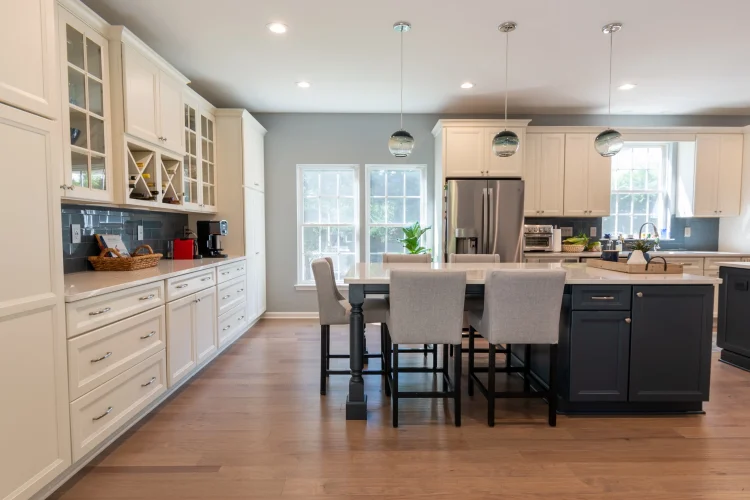
What Biophilic Design Really Means
In simple terms, biophilic design means creating spaces that connect people with the outdoors by bringing elements of nature and natural influences into your home designs. Humans are naturally drawn to outdoors, due to an innate need for nature, which in turn helps our mental and physical wellbeing. We live indoors, though, so biophilic design attempts to bring elements of the outdoors inside to help us feel connected all day long.
The core principles of biophilic design include natural light, organic materials, views of the outdoors, and natural textures and patterns. This design philosophy helps to create balanced, comfortable living environments. The goal of biophilic design is not simply decorative; it is to authentically integrate nature and natural influences into your home.
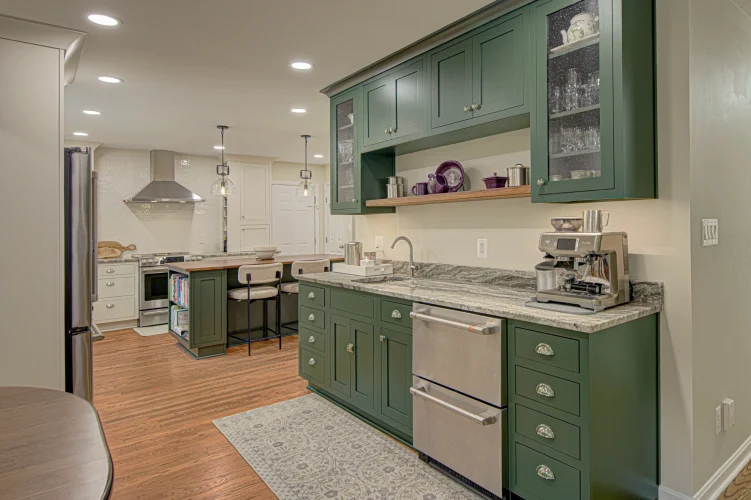
Maximizing Natural Light with Windows and Doors
Natural light is one of the most powerful elements in biophilic design. It provides an immediate connection between indoor and outdoor spaces, lets you enjoy the view, and helps you to maximize sunlight in your living spaces.
There are many ways to increase natural light as part of a home remodeling project. These include installing larger windows, glass exterior doors, glass pantry or interior doors, skylights, and clerestory windows.
Bringing natural light into your home offers many benefits, such as making rooms feel larger and more open. Natural light also improves mood and productivity, while reducing your reliance on artificial lighting.
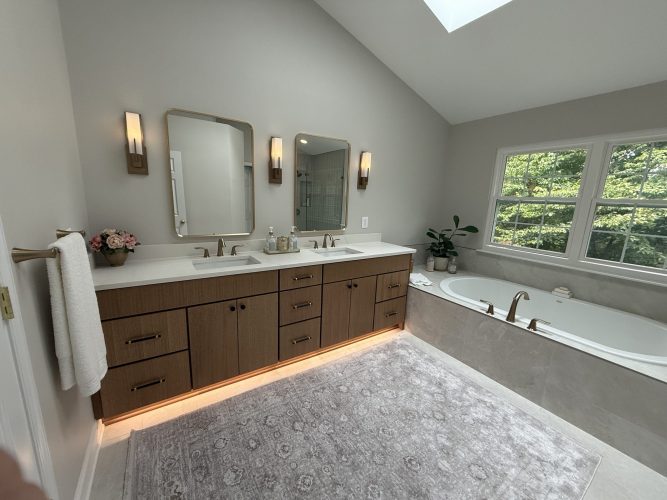
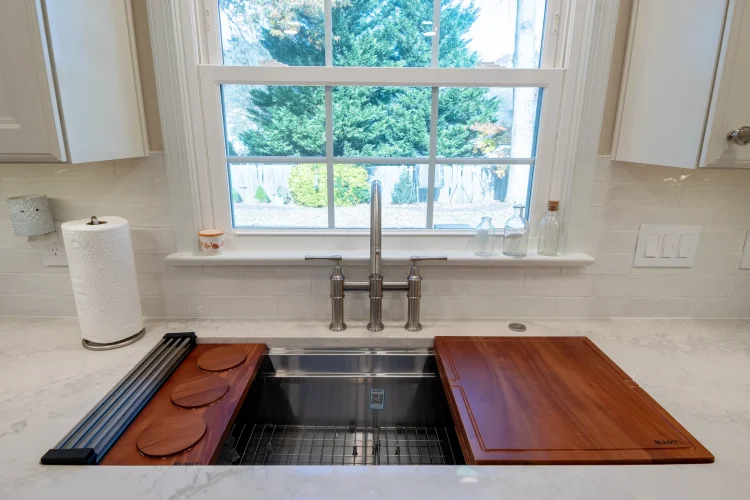
In a kitchen design, this could include large windows above the sink, a breakfast nook with outdoor views, and open layouts that connect indoor and outdoor spaces with glass doors. In a bathroom design, you could incorporate large windows and skylights. A freestanding tub positioned near a large window offers a particularly relaxing space in a spa-style bathroom. Living rooms benefit from large windows, and glass doors connecting you to outdoor entertainment spaces like a patio or deck.
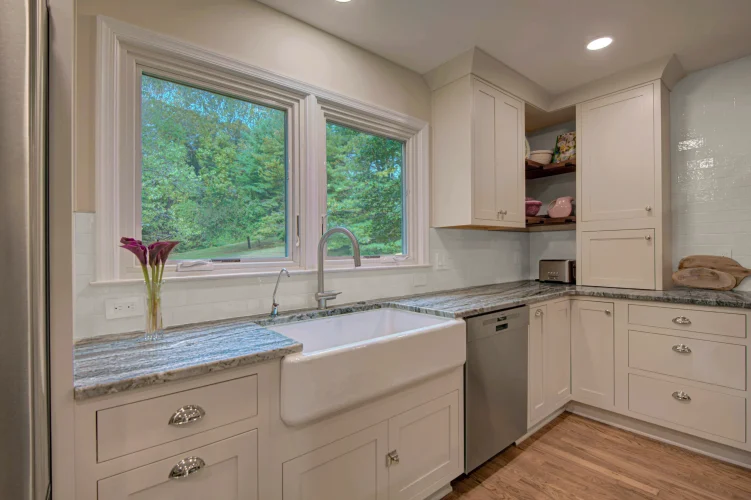
Natural Materials: Wood, Stone, and Organic Textures
Natural materials help bring warmth and authenticity into your home’s interiors, and are a top choice for improving both style and functionality. Popular choices for kitchens, bathroom designs, and living spaces include wood cabinetry or beams, stone countertops or backsplashes, natural tile, and clay finishes. Other organic materials that enhance home designs include linen, rattan, woven materials, and handmade ceramics.
These natural materials have a timeless appeal and age beautifully, adding depth and character to your home’s design. Designers often choose to mix materials in order to create layered, tactile spaces that work with all the senses. Choose mixed textures carefully to avoid a design that is overly chaotic, but instead creates a cohesive style.
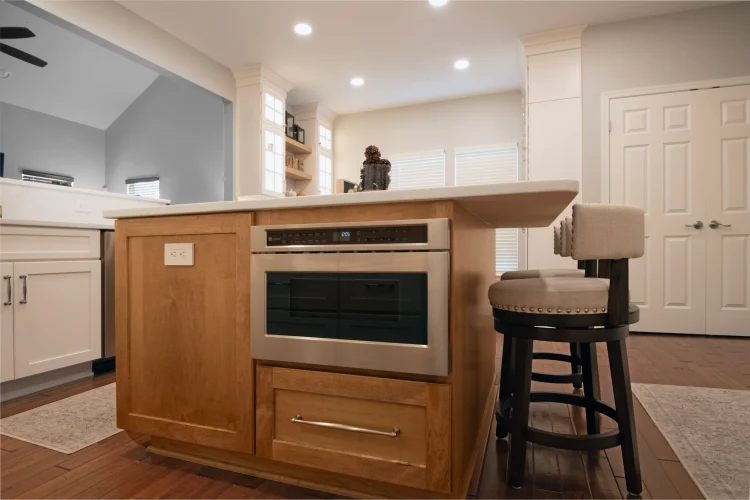
Incorporating Plants into Kitchens, Bathrooms, and Living Spaces
Plants are one of the simplest ways to bring nature indoors, helping you to create spaces that feel grounded and warm. Plants add life, color, and movement to interior spaces, while also improving your room’s air quality.
There are many ways to thoughtfully incorporate plants into your home:
- Herb gardens in a kitchen design, or even a live wall.
- Floating shelves in a kitchen or bathroom design with trailing plants.
- Hanging planters near a window.
- Large statement plants in a living area.
Homeowners who are not used to tending to indoor plants should start small and build their indoor garden from there. Choose plants that fit the space, depending on your available natural light, moisture levels, and more. Consider how much time you can commit to tending plants when choosing the best ones for your home. If you are not an avid plant person, then choose varieties that are low maintenance.
Nature-Inspired Color Palettes
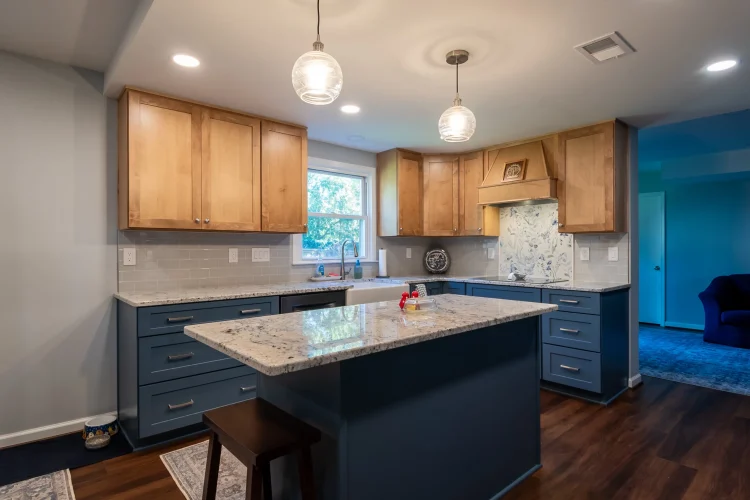
Color plays a major role in creating nature-inspired interiors as it sets the tone for your home’s aesthetic and establishes the mood for your space. Color can be introduced in many ways, including with cabinet finishes, countertops, wall paint, tile, textiles, and decorative accents. All of these design elements must work together to create a cohesive style. A balanced color palette also creates spaces that feel calming rather than overwhelming.
Popular biophilic color schemes include soft greens, warm earth tones, natural wood finishes, sandy beiges, deep forest hues, and sky blues. These colors evoke landscapes and natural environments, helping you to feel grounded in your home. They tend to be calming color palettes that transform your home’s key living spaces into a haven for relaxations.
Health and Wellness Benefits
Nature-inspired interiors are more than just a style statement for your home. They also have many benefits for overall health and wellbeing, therefore working for you every day to enhance your life.
Research shows that biophilic design can help to reduce stress, improve your mood, and enhance focus and creativity. Natural light also helps to support healthier sleep cycles, so prioritizing natural light through large windows will be beneficial to your sleep health. Organic materials look great, but they also often feel more comfortable and inviting than their synthetic alternatives, giving your space a more inviting feel.
Home spaces designed with nature in mind often become favorite gathering spaces for families and guests. They also fit the growing trend to prioritize wellness, offering space within your own home to bring wellbeing practices into your everyday life.
Where Biophilic Design Works Best in the Home
Biophilic design principles can be applied throughout the home, but there are some spaces that benefit most from this design approach.
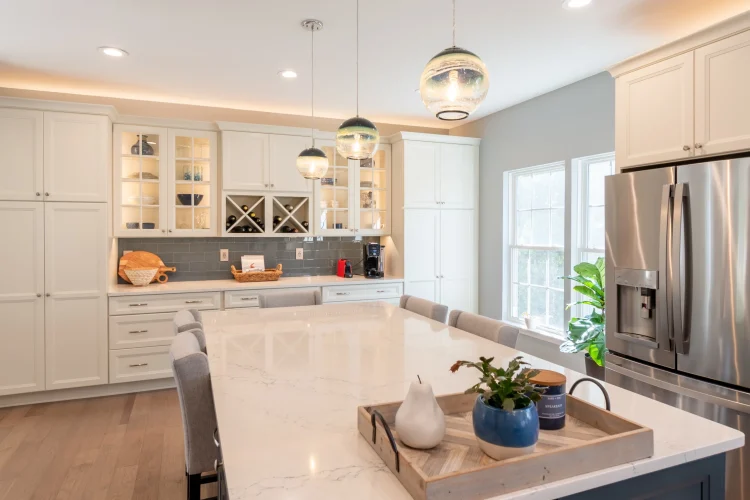
Kitchen Designs: They are a central gathering space for the home and benefit from natural light, wood finishes, nature-inspired colors and textures, accessories that introduce natural materials, and plants such as herbs. Make the most of the views from your kitchen with large windows, breakfast nooks situated near windows or glass doors, and a dining space connected to patio dining.
Living Room Designs: These spaces can accommodate larger plants that bring nature into the home and create a focal point, as well as wood finishes for furniture and shelving, natural textiles, and earthy color palettes. Prioritize natural light through large windows in a living room, but include window treatments for privacy or to dim your room for daytime TV viewing.
Bathroom Designs: Create a relaxing retreat with nature-inspired styles, such as spa-like retreats with stone, wood vanities and shelves, natural textiles, and greenery. You can give any bath design a spa vibe, from a spacious master bathroom to a guest bath, with the right materials, colors, and accessories.
Indoor-Outdoor Connected Spaces: The goal here is to create a natural flow between indoor and outdoor environments, making these spaces feel connected. They can include sunrooms, breakfast nooks with large windows, and patios visible from indoor living areas. These spaces extend your dining, relaxing, and entertainment areas by letting traffic flow easily between indoor and outdoor spaces. They also let your indoor rooms feel truly connected to the exterior, with windows and doors that let you open up your home and blur the lines between indoors and outdoors.
Solstice Kitchen and Bath’s Approach to Natural, Livable Design
At Solstice Kitchen and Bath, we focus on creating livable, welcoming spaces that fit your family’s lifestyle, your home’s style, and your daily living requirements. Our team works in collaboration with our clients to create home living spaces that feel just right for you.
We can help you incorporate nature-inspired elements into remodeling projects, helping you to feel connected to the outdoors. Some key design strategies to achieve this goal include thoughtful window placement, warm wood cabinetry, natural stone countertops, and organic textures and finishes. Think about light, materials, color, and greenery when creating a design connected to nature that truly benefits your home and your family.
The right design can bring the beauty of the outdoors into your home every day. Work with our experienced, full-service design and remodeling team to create a home that feels natural, relaxing, and timeless.