
What’s Ahead for 2026 Kitchen and Bath Design Trends
Are you planning a kitchen or bathroom remodel in 2026? Now is the perfect time to start planning, just in time for the spring remodeling season! Whether you are updating a kitchen, redesigning a bathroom, or refreshing your first floor, your remodel is a long-term investment in both your home and your lifestyle. That is why it is essential to choose kitchen and bathroom designs that will stand the test of time, particularly for major elements like cabinetry, flooring, and layout changes.
Exploring the latest design trends can help you make confident, future-proof decisions for your home. Kitchen and bath design continues to evolve, and these spaces often set the tone for the rest of the home. From innovative layouts and smart storage to the latest technology and fresh color palettes, the trends shaping kitchen and bathroom remodeling influence design throughout the entire home.
Solstice Kitchen and Bath is your trusted local expert in Crofton, MD, here to help you stay ahead of the trends and create a design that blends modern innovation with timeless design. Let’s get started by exploring this year’s top design trends!
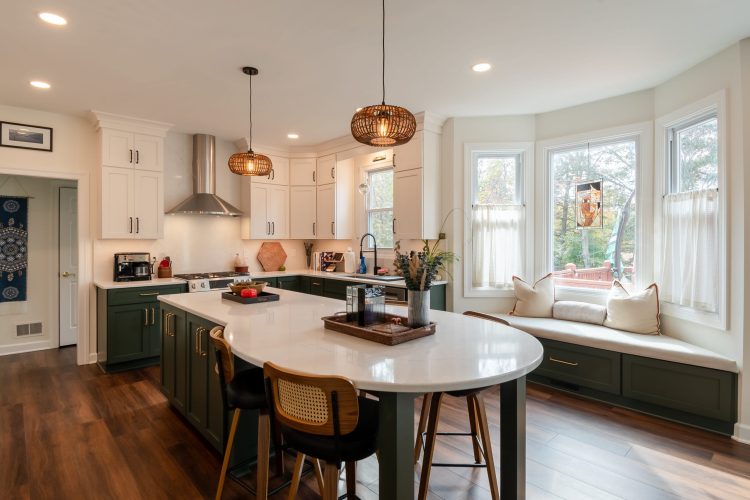
Examining Trends Matters When Planning a Remodel
Why is it important to look at design trends when planning your remodel? Examining the latest design trends helps you to future-proof your investment by benefiting from the latest style and functionality trends. These trends offer guidance of what will remain stylish and functional over time and let you avoid choosing finishes or layouts that may quickly feel dated.
Trends help to guide your budget decisions to make smarter choices. It enables homeowners to evaluate potential changes and prioritize upgrades that deliver on style, functionality, and long-term value. Design trends often reflect today’s lifestyles, such as work from home, aging in place, entertaining at home, or multi-generational living. Examining trends to find the ones that work for your household helps you to improve your daily living.
Since buyers are drawn to homes with updated kitchens and bathrooms that feel modern yet timeless, thoughtfully incorporating design trends helps enhance their resale value. If you plan to sell your home in the near future, then you should evaluate trends along with your local area’s real estate market to find the changes that give you the best return on your investment.
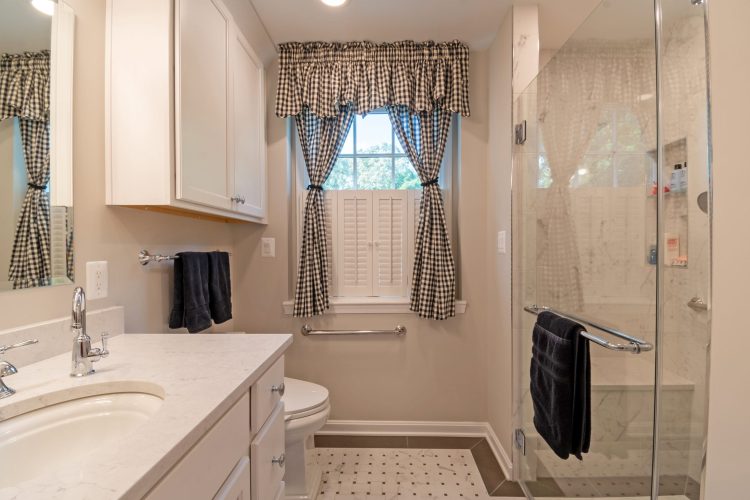
Starting with Macro-Level Design and Lifestyle Trends
Big picture shifts in design matter and should be examined before selecting details like finishes and fixtures. Look at the key spaces being remodeled, popular layouts, lifestyle shifts, and technology innovations. Figure out how these trends fit with your own household and family before incorporating them into your design. Some of the top macro-level design trends this year include:
- Focus on Wellbeing: There is an increased demand for spaces in the home that reduce stress and promote relaxation, building it into everyday living. Spaces designed for wellbeing emphasize natural light, calming color schemes, clutter-free layouts, and wellness-inspired features.
- Flexible Living Spaces and Zoned Layouts: First-floor layouts are leaning into catering for multi-functional home living. Kitchens serve multiple purposes, including cooking, dining, working, entertaining, studying, and more. Create zones for prep, cooking, clean up, beverage prep, socializing, relaxing, and more.
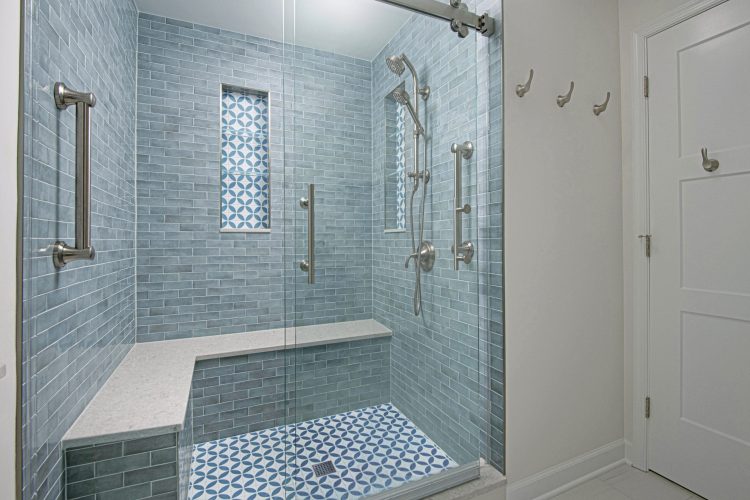
- Aging in Place: There is a growing trend toward designs that support long-term comfort and safety. Include features like wider walkways, curbless showers, slip-resistant flooring, grab bars, plenty of lighting, and smart technology.
- Biophilic Design: This approach to home design connects interiors with nature through design elements like materials, textures, color schemes, patterns, lighting, and views through windows and glass doors. Use wood, stone, greenery, natural light, nature-inspired color schemes, and organic textures to improve well-being.
- Sustainability and Eco-Conscious Choices: Go for energy-efficient appliances, water-saving fixtures, and responsibly sourced materials. Improve efficiency with new windows and doors that enhance energy efficiency. Choose long-lasting design features that reduce the need for future renovations.
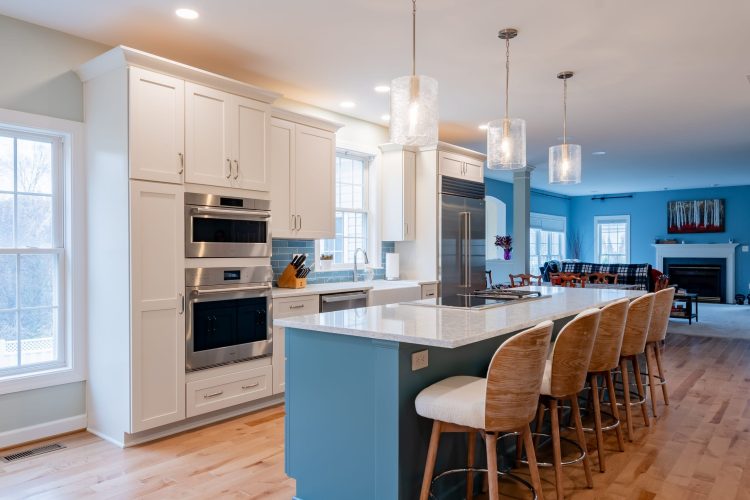
Why Kitchen and Bath Design Trends Lead the Way in Home Design
Kitchens and bathrooms are typically the most renovated rooms in the home. Homeowners usually invest here first, which makes these spaces trendsetters that influence designs throughout the home. These spaces reflect lifestyle shifts earlier, with changes in wellness priorities and household requirements often showing up first in these spaces. Kitchen and bathroom design requirements are complex and must combine function, technology, and aesthetics. Innovations in appliances, fixtures, storage, and materials tend to emerge here and then influence other areas in the home.
Cabinetry styles, color palettes, and material selections for kitchens and bathrooms often carry into adjacent spaces. Living or family rooms that are part of an open plan or interconnected first floor must gel with your kitchen design style. A spa-style master bath design may influence your entire master suite, including your bedroom and master closet, creating a cohesive style and efficient flow.
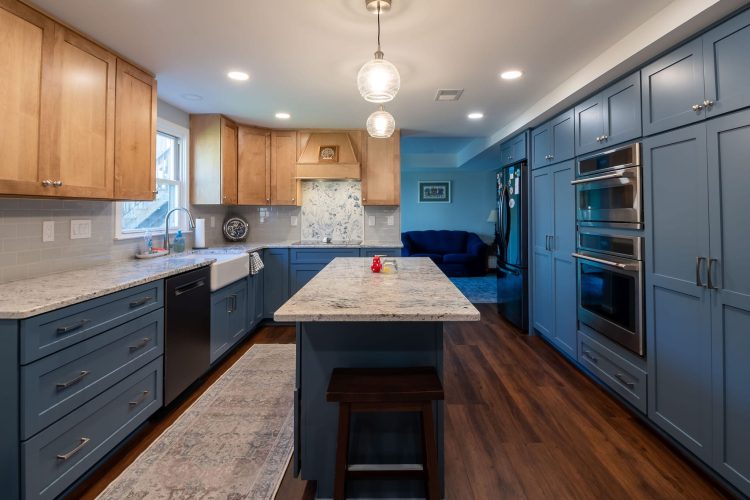
Top Kitchen and Bathroom Design Trends for 2026
From the freshest color schemes to designs that promote well-being, let’s explore the latest trends in kitchen and bathroom design.
Color Trends for Kitchens and Bathrooms
- Warm neutrals are replacing stark white, including soft taupes, greiges, creamy off-whites, and mushroom tones.
- Nature inspired hues are popular and fit the biophilic trend, with sage green, olive, clay, terracotta, sand, deep blues, and muted charcoals.
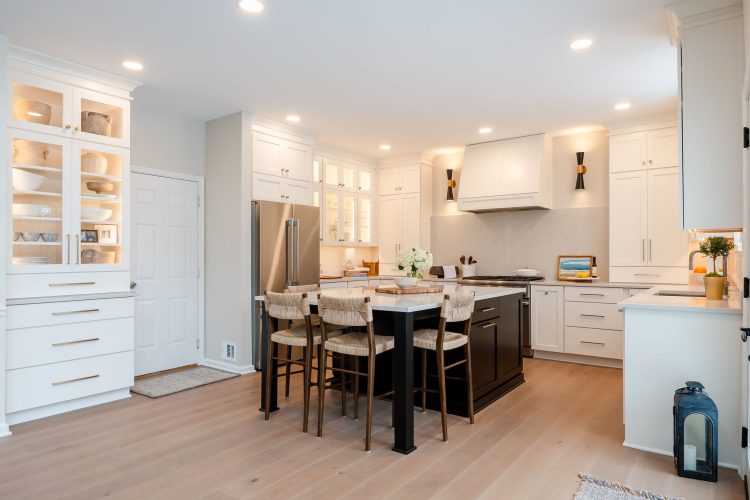
- Two-tone and layered color schemes, with upper and lower cabinets in different tones or an island that contrasts perimeter cabinets, add visual interest.
- Use bold accents strategically, such as black, bronze, or brass hardware, or statement backsplashes or feature walls.
Function-First Luxury
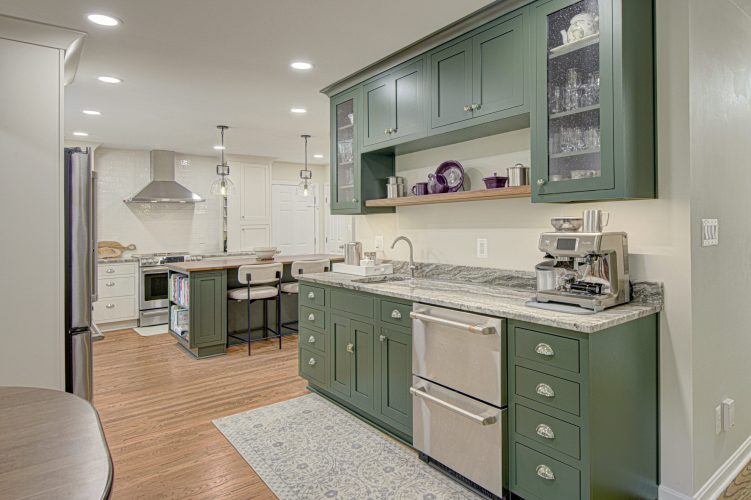
- Luxury is increasingly defined by usability, not just appearance, with thoughtfully designed storage solutions, integrated organization systems (e.g., pantries, spice pull-outs, appliance garages, drawer dividers, and rollout shelves), layered lighting designs, underfloor heating, and durable surfaces.
- High-performance materials such as quartz, porcelain slabs, and durable finishes look beautiful and withstand daily use.
- Smart home integration, such as touchless faucets, smart shower systems, voice-activated or smart lighting controls, and connected appliances have a lasting impact on your home and lifestyle.
- Seamless designs with integrated appliances and concealed storage provide a clean, cohesive look.
Creating Relaxing Spaces with a Focus on Wellbeing
- Clutter-free layouts are essential to a relaxing environment, so include plenty of storage to keep your space organized. Hidden storage is even better as it minimizes visual noise.
- Incorporate soft, calming color palettes that make your space feel grounded in nature, such as earth tones, warm woods, and muted finishes.
- Create a comfort-driven design with ergonomic layouts, comfortable seating, and thoughtful spacing to make it easy to move throughout the space and sit comfortably.
- Include measures for sound and lighting control with soft-close cabinetry, layered lighting, and quiet appliances.
Spa-Inspired Bathroom Designs
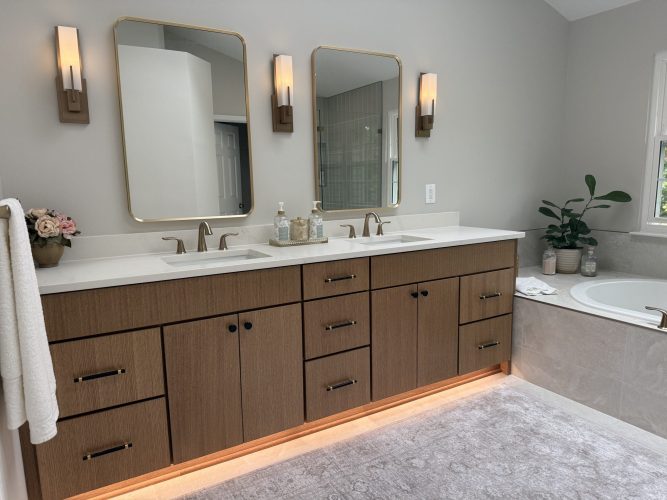
Spa-vibe bathroom designs are still a popular choice that creates a relaxing sanctuary in your home. There are many ways to incorporate spa-style features into your bathroom remodel, including:
- Luxurious showers with curbless entries, rainfall showerheads, steam showers, and body sprays.
- Freestanding soaking tubs, particularly sculptural tubs that act as focal points.
- Heated floors, towel warmers, and anti-fog mirrors make your bath design cozy.
- Natural materials and layered textures with stone-look tile, wood vanities, and organic textures.
- Spa-hotel-inspired layouts, such as double vanities, separate toilet rooms, and dedicated grooming stations.
Layered Textures and Materials
- Mixing materials adds depth and warmth to any style design. You can try combining materials like wood, stone, metal, glass, and tile to create a design that appeals to all the senses.
- Choose textured surfaces that give your design an edge, like fluted cabinetry, reeded glass, honed stone, live-edge wood shelves, or handmade tiles.
- Go for matte or satin finishes for softer, more tactile alternatives to high-gloss surfaces.
- Add contrast to your design by juxtaposing smooth and rough surfaces, like polished countertops paired with rustic wood cabinets or textured backsplashes.
Connecting Living Spaces to the Outdoors
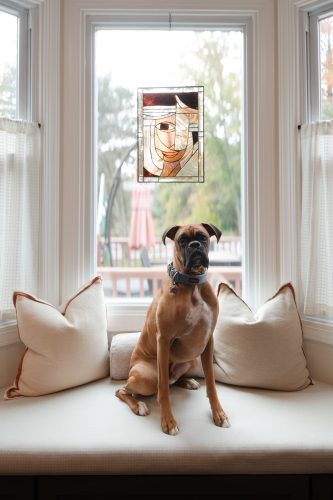
Creating a connection between indoor living spaces and the outdoors helps your interiors to feel more grounded. Connected indoor-outdoor spaces also help to extend your dining and entertainment areas.
- Maximize natural light with larger windows, skylights, and glass doors.
- Choose nature-inspired colors and materials that echo your outdoor spaces, like wood tones, stone, and earthy palettes.
- Include indoor plants and greenery like an herb garden in the kitchen or plants in the bathroom that improve freshness and visual calm.
- Prioritize outdoor views and movement between indoor and outdoor spaces, with kitchens that open to patios or decks for dining and entertaining.
- Go for nature-inspired patterns with botanical tile designs, organic shapes, and subtle nature motifs.
Purposeful, Layered Lighting
- A layered lighting approach is essential for key rooms in your home. This includes ambient (your general light source), task (targeted lighting for work areas), and accent (focal lighting that highlights decorative features).
- Add statement fixtures like sculptural pendants, chandeliers, and sconces. Depending on where they are located, these decorative fixtures typically double as ambient, task, or accent lighting.
- Include integrated lighting that elevates your room’s style and functionality, like under-cabinet, toe-kick, drawer, niche, and in-cabinet lighting.
- Choose smart lighting systems that offer adjustable lighting for different moods, times of day, and events. You can change light levels at the touch of a button on an app and even save settings for different requirements.
How to Navigate 2026 Design Trends
Did any of these design trends resonate with you? Look at how trends fit your home and lifestyle, and seek expert design guidance to help you translate them into practical, livable designs. Take a personalized approach that lets you balance trends with your style, budget, and long-term goals. Prioritize quality materials and craftsmanship that ensure your trends are implemented beautifully and built to last.
Rely on local knowledge when creating your design from an experienced design and remodeling partner who understands Crofton-area homes, architecture, and lifestyle needs. To complete your project successfully, choose a full-service remodeling company that can handle your entire project from design to material selection, project management, and installation. They will ensure your project is a success, completed on time and to a high standard, giving you the results you want!
Design for Today and Tomorrow
When remodeling, it’s important to stay informed about trends while also prioritizing functionality and longevity. View these 2026 design trends as inspiration rather than guidelines for your design and choose those trends that fit your needs to thoughtfully incorporate into your final design.
Are you ready to start planning your home remodel? Work with our experienced team in Crofton, MD, to create a kitchen or bathroom design that blends style, comfort, and performance. Schedule an appointment to meet our team, browse styles in our showroom, and start your remodeling journey!